+1 (301) 200-2077
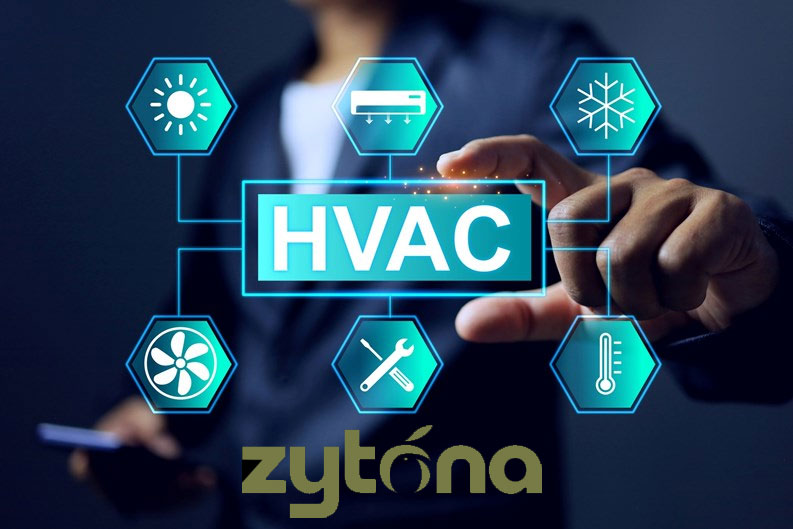
The hospitality industry is one of the most energy-intensive sectors, with heating, ventilation, and air conditioning (HVAC) systems accounting for nearly 40–60% of a hotel’s total energy consumption. As utility costs continue to rise and sustainability becomes a key priority for travelers, hotel owners and managers are actively seeking ways to improve HVAC efficiency without compromising guest comfort.
Implementing energy-saving HVAC strategies not only lowers operational expenses but also enhances indoor air quality, extends equipment lifespan, and supports environmental goals. Whether you manage a boutique hotel or a large resort, investing in energy-efficient HVAC solutions can deliver significant long-term benefits.
Hotels operate around the clock, making HVAC systems one of the largest contributors to monthly operating costs. Guest rooms, conference halls, restaurants, fitness centers, and common areas all require precise climate control.
An inefficient HVAC system can lead to:
By improving HVAC performance, hotels can reduce energy consumption while maintaining a comfortable indoor environment for every guest.
One of the most effective ways to save energy is by replacing outdated HVAC units with modern, high-efficiency systems. Today’s equipment uses advanced compressors, variable-speed motors, and smart controls that consume significantly less electricity.
Look for systems with high Seasonal Energy Efficiency Ratio (SEER) or Energy Efficiency Ratio (EER) ratings. Although the upfront investment may be higher, the long-term energy savings often justify the cost.
Smart thermostats have become an essential tool for hotel energy management. These devices automatically adjust temperatures based on room occupancy, schedules, and guest preferences.
Benefits include:
Many hotels integrate smart thermostats with their property management systems, allowing room temperatures to automatically return to energy-saving settings after guests check out.
Guest rooms are often cooled or heated even when unoccupied. Occupancy sensors solve this problem by detecting whether someone is present.
When a room becomes vacant, the HVAC system automatically adjusts to a pre-set energy-saving temperature. Once the guest returns, the desired comfort level is quickly restored.
This simple technology can significantly reduce unnecessary energy usage across hundreds of hotel rooms.
Regular maintenance is essential for maximizing HVAC efficiency.
Routine maintenance includes:
Well-maintained equipment consumes less energy, experiences fewer breakdowns, and operates more reliably throughout the year.
Even the most efficient HVAC system will struggle if conditioned air escapes through poorly insulated walls, roofs, windows, or doors.
Hotels should inspect for:
Improving insulation reduces heating and cooling loads, allowing HVAC equipment to operate more efficiently.
Balanced airflow helps maintain consistent temperatures while reducing system strain.
Proper airflow improvements include:
These measures improve indoor comfort while reducing energy consumption.
Building Automation Systems (BAS) allow hotels to monitor and control HVAC performance from a centralized platform.
These systems can:
Real-time analytics help facility managers identify inefficiencies before they become expensive problems.
Variable Frequency Drives regulate motor speeds based on actual demand instead of operating at full capacity continuously.
Installing VFDs on:
can substantially reduce electricity usage while extending equipment life.
Energy savings should never come at the expense of guest health.
Modern HVAC systems improve indoor air quality through:
Cleaner indoor air creates a healthier environment while maintaining efficient HVAC performance.
Energy-saving initiatives work best when hotel employees understand their role.
Staff training should cover:
Small operational improvements across multiple departments can produce noticeable energy savings.
Hotels should regularly track HVAC energy performance using utility data and energy management software.
Monitoring helps identify:
Regular audits provide valuable insights for future efficiency upgrades.
Investing in HVAC efficiency offers benefits beyond lower utility bills.
Hotels can expect:
As travelers increasingly prefer environmentally responsible accommodations, energy-efficient operations can also strengthen a hotel’s reputation.
HVAC energy savings are no longer optional for modern hotels—they are a strategic investment in profitability, sustainability, and guest satisfaction. From smart thermostats and occupancy sensors to preventive maintenance and building automation, there are numerous ways to optimize energy use without sacrificing comfort.
By adopting a comprehensive HVAC energy management strategy, hotels can significantly reduce operating expenses, minimize environmental impact, and create a more enjoyable experience for guests. Over time, these improvements contribute to stronger financial performance and a competitive advantage in the hospitality industry.
HVAC systems typically account for approximately 40% to 60% of a hotel’s total energy consumption, depending on the property’s size, climate, and operational practices.
Installing smart thermostats and occupancy sensors is one of the quickest and most cost-effective methods for reducing unnecessary energy usage.
Most HVAC systems should undergo professional maintenance at least twice a year, with filters inspected and replaced regularly based on usage.
Yes. Building automation systems optimize HVAC schedules, monitor equipment performance, and reduce waste, often resulting in substantial energy savings.
Absolutely. Modern HVAC systems provide more consistent temperatures, quieter operation, and better indoor air quality, all of which enhance the guest experience.
In most cases, yes. While initial installation costs can be significant, lower utility bills, reduced maintenance expenses, and extended equipment life often provide an attractive return on investment over time.